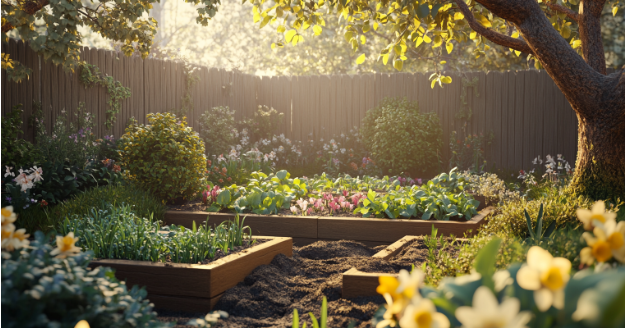
Spring Garden Kickoff: How to Survey & Repair Winter Damage
As the last vestiges of winter retreat and the promise of longer, warmer days emerges, a palpable excitement ripples through the gardening community. The spring garden update its started, and with it comes a crucial period of assessment and revitalization. After months of snow, ice, and harsh winds, your outdoor haven inevitably bears the scars of the season. Far from being a daunting chore, this initial survey and repair phase is the cornerstone of a successful and bountiful growing year, ensuring your landscape transitions from slumber to spectacular.
The journey from winter's dormancy to spring's vibrant awakening is a busy one for any gardener. It’s easy to feel overwhelmed by the sheer volume of tasks, from planning new plantings to essential maintenance. However, with a systematic approach and a little foresight, you can tackle everything efficiently, setting the stage for a season filled with blooms, produce, and relaxation. Let's delve into how to effectively survey the damage and begin the restorative work that will make your garden thrive.
Organizing Your Spring Strategy: The Smart Gardener's Approach
Before you even step outside, the most effective early spring garden prep begins indoors. This is where you transform potential chaos into a manageable timeline, making the initial "spring garden update its started" feeling less like a rush and more like a well-orchestrated plan.
- Consult Your Garden Journal: If you don't already keep one, now is the perfect time to start! Your journal is an invaluable record of last year’s triumphs and tribulations. Did you note any areas that struggled in winter? Are there outstanding repairs or upgrades you planned? Reviewing these notes helps you prioritize and avoid repeating past mistakes. A journal allows you to track weather patterns, plant performance, pest issues, and even your own emotional responses to various tasks, dramatically improving your efficiency and success over time.
- Create a Spring Task Timeline: Break down your spring chores into manageable segments for early, mid, and late spring. While these timings can shift by a few weeks depending on your specific region (mid-March to mid-April typically marks early spring in the Northern Hemisphere), having a general schedule prevents overwhelm. This timeline should include everything from sharpening tools and starting seeds indoors to assessing damage, pruning, and planning new plantings. Spreading these tasks out ensures you keep pace with the budding growth without stress.
- Prioritize and Prepare: Not all tasks are created equal. Identify critical repairs first – structural damage, potential safety hazards. Then move to essential maintenance like tool sharpening and indoor seed starting. This organized approach ensures that once the weather truly breaks, you're ready to hit the ground running, rather than trying to play catch-up.
Comprehensive Winter Damage Assessment: Your Yard's Health Check
Once the threat of hard frosts and heavy snow is truly behind you, it's time for the garden equivalent of a post-winter "walkabout." This systematic survey is where the true "spring garden update its started" work begins, allowing you to identify every element that needs attention, from the highest branches to the lowest hardscape.
Surveying Every Level:
-
Top Level: Trees and Shrubs
Start by looking up. Winter's ice and winds can wreak havoc on woody plants. Inspect trees and larger shrubs for:
- Broken or Damaged Branches: Look for limbs that are snapped, dangling precariously, or rubbing against other branches. These are not just unsightly but can be safety hazards or entry points for disease.
- Winter Burn: Evergreens, especially broadleaf varieties like rhododendrons or hollies, can suffer from desiccation if winter winds dry out their foliage faster than their roots can absorb moisture from frozen ground. You'll see browning or scorched leaves.
- Girdling/Rodent Damage: Voles, rabbits, and other rodents can chew bark around the base of trees and shrubs, especially when food is scarce. This girdling can severely damage or kill plants by interrupting nutrient flow.
- Frost Cracks: Vertical splits in the bark of trees, often appearing on the south or west side, can be caused by rapid temperature fluctuations.
- High-Risk Trees: Pay special attention to large, mature trees that could pose a risk to structures or power lines if compromised. If you spot significant damage or suspect disease, consulting a certified arborist is a wise investment.
-
Middle Level: Perennial Beds and Lawns
Next, focus on your garden beds and turf areas:
- Perennial Foliage: Old, dead foliage from last year's perennials can harbor pests and diseases. Cut back these remnants to the ground, clearing the way for new growth. Add healthy clippings to your compost pile.
- Heaving: Freezing and thawing cycles can push plants and soil out of the ground, exposing roots. Check for heaved perennials and bulbs.
- Lawn Damage: Inspect your lawn for compacted areas, rodent tunnels, dead patches from snow mold, or salt damage from de-icers.
- Winterkill on Evergreens: Smaller evergreens or those in exposed locations might show browning or sparse needles.
-
Lower Level: Hardscaping and Garden Structures
Finally, give a thorough once-over to all the non-living elements in your landscape:
- Pathways and Patios: Look for heaved pavers, cracked concrete, or loose stepping stones. These are trip hazards and can affect drainage.
- Fences and Gates: Check for leaning posts, broken slats, loose hinges, or signs of rot. Winter storms can easily weaken these structures.
- Trellises, Arbors, and Pergolas: Ensure they are still securely anchored and free from structural damage or rot. These often provide crucial support for climbing plants.
- Raised Beds: Inspect the integrity of the bed walls for rotting wood, bowed sides, or loose fasteners.
- Garden Ornaments: Birdbaths, statuary, clay planters, and decorative elements can crack or shatter due to freeze-thaw cycles if not properly winterized.
- Irrigation Systems: If you have an in-ground system, check visible components for cracks or leaks (though a professional will typically inspect the full system).
Repairing the Fallout: Restoring Your Garden's Integrity
Once you've identified all the issues, it's time to roll up your sleeves and begin the restorative work. This is where your planning and methodical approach truly pay off, transforming a damaged landscape into a healthy, productive one.
- Pruning Damaged Plants: For broken tree and shrub branches, make clean cuts back to healthy wood or to a main branch. For winter-burned evergreens, prune back the damaged foliage, but avoid cutting into old wood unless absolutely necessary, as it may not regrow. Remember to use sharp, clean tools to prevent disease.
- Addressing Heaved Plants and Hardscaping: Gently push heaved perennials and bulbs back into the soil, firming the earth around them. For pathways, carefully lift and re-level heaved pavers using a base of sand or gravel. Patch cracks in concrete or repair broken fence sections.
- Structural Repairs: Re-secure loose fence posts, reinforce bowed raised bed walls, and ensure arbors and trellises are stable. Replacing rotting wood or metal components now prevents larger problems down the line.
- Caring for Your Lawn: Rake out dead grass and aerate compacted areas. Overseed bare patches with appropriate grass seed when temperatures are right for germination.
- Tool Maintenance: Don't forget your tools! Clean off any rust, sharpen blades on pruners, shovels, and hoes, and oil moving parts. Well-maintained tools make every task easier and safer.
Beyond Repairs: Preparing for a Prolific Growing Season
With the damage assessed and initial repairs made, the "spring garden update its started" now shifts towards active preparation for peak growth. This forward-thinking approach sets the stage for a truly vibrant and productive garden.
- Soil Revitalization: Winter can compact soil and deplete nutrients. Lightly work the topsoil in beds, incorporating fresh compost or well-rotted manure. If you haven't done so recently, consider a soil test to understand your soil's specific needs and apply amendments accordingly. Healthy soil is the foundation for healthy plants.
- Mulch Management: If you mulched heavily in fall, gently rake back some of the mulch from around emerging bulbs and perennials to allow them to breathe and warm up. Once the soil has warmed and new growth is evident, refresh existing mulch or apply a new layer. A 2-4 inch layer of organic mulch (like wood chips or shredded leaves) conserves moisture, suppresses weeds, and moderates soil temperature.
- Strategic Pruning: Beyond removing winter damage, spring is the ideal time for structural pruning on many deciduous trees and shrubs. Remove dead, diseased, or crossing branches. For flowering shrubs, understand if they bloom on old wood (prune after flowering) or new wood (prune in early spring before buds break).
- Planning for New Additions: With your garden surveyed and repaired, you'll have a clear picture of any gaps in your landscape. This is the perfect time to make new beds, add bare-root plants, or start thinking about where your container-grown plants will go. Prepare planting holes with good soil amendments.
- Indoor Seedling Hardening Off: If you started seeds indoors, begin the gradual process of "hardening off" your seedlings by exposing them to outdoor conditions for increasingly longer periods. This prepares them for direct transplanting into the garden.
The transition from winter's slumber to spring's awakening is a dynamic time in the garden, demanding attention, planning, and hands-on effort. By systematically surveying your landscape for winter damage and diligently undertaking necessary repairs, you're not just fixing problems; you're actively investing in the health, beauty, and productivity of your outdoor space. The "spring garden update its started" with these crucial steps, leading you towards a season of abundant growth and the undeniable joy of a thriving garden. Embrace the tasks, enjoy the process, and soon you'll be reaping the rewards of your early spring efforts.
